MORE TO SHIP FREE 🚚
NICE. SHIPPING IS FREE 🎉
MORE TO REDEEM GIFT 🎁
YAY. REDEEM A FREE GIFT 🥳
YOUR CART IS EMPTY. SHOP NOW.
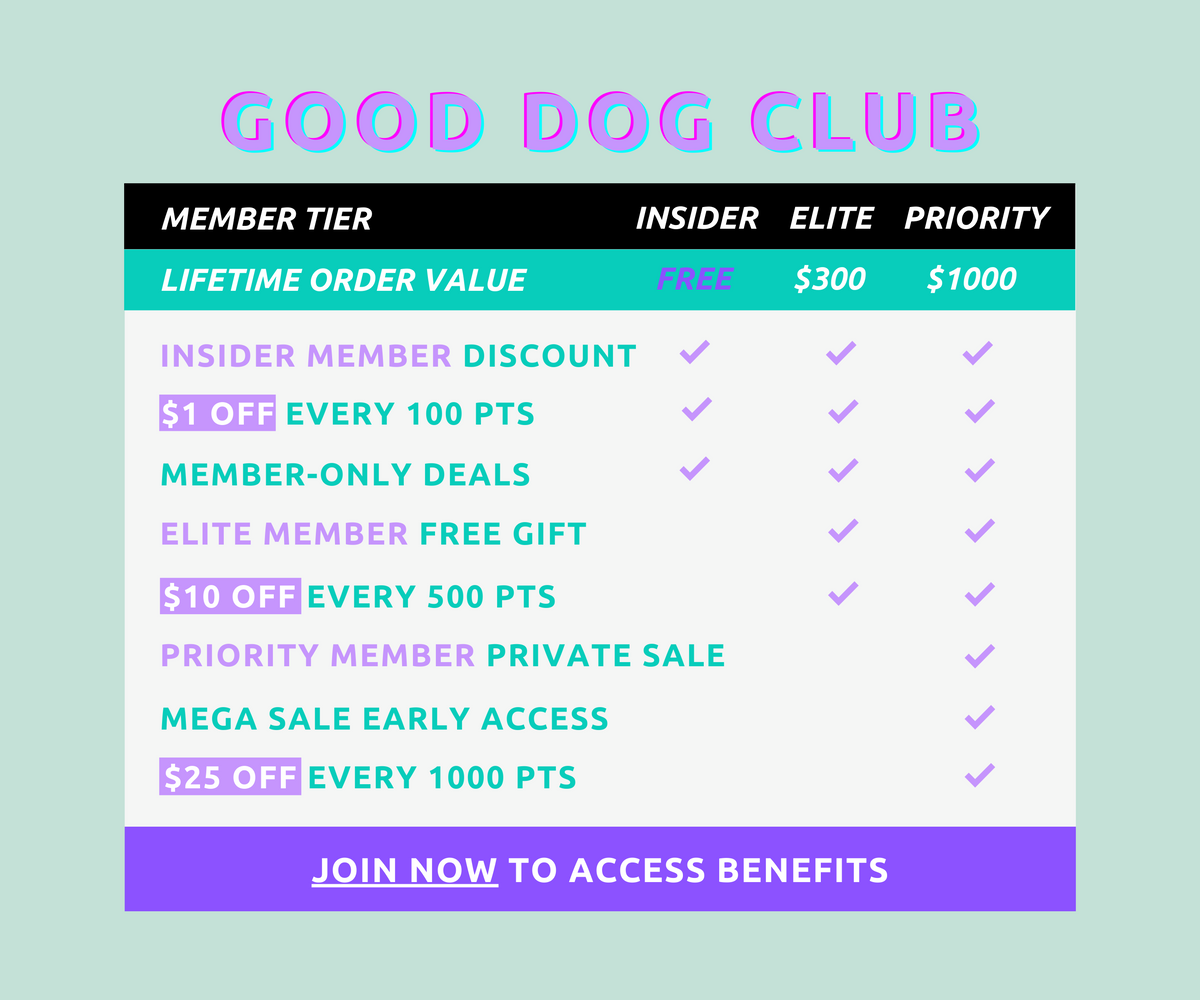


✌️ Get 1ST $10 OFF >$99
One-time use per household for orders above $99. Use code: 10FORGOOD during checkout. View T&C
🎉 REDEEM FREE GIFT >$120
One-time use per month for orders above $120. Redeem during checkout. View T&C
💵 REDEEM UP TO $25
Earn points to redeem $1, $5, $10 & $25 vouchers. Redeem Now
✨ EXPERIENCE OUR BRANDS


Dog treats play an important role in our dogs’ lives. They help with training, reinforce good behaviour, support dental health, and strengthen the bond between dog and owner. However, treats are also one of the most common sources of overfeeding. A disproportionate level of treating will lead to not only an energy imbalance but will also lead to a nutrient imbalance.
Treating responsibly isn’t about avoiding treats altogether. It’s about choosing the right treats, giving the right amount, and understanding how treats fit into your dog’s overall diet and health. Here’s what every dog owner should know about dog treats.

Responsible treating means using treats intentionally, safely, and in moderation. Treats should complement your dog’s regular diet, not replace balanced meals or add unnecessary calories, sugar, or artificial ingredients.
A responsible approach considers:
When treats are used thoughtfully, they can support training, enrichment, and wellbeing rather than undermine your dog’s health.
One of the most important rules of responsible treating is quantity.
The 10% Rule
Treats should make up no more than 10% of your dog’s daily calorie intake, with the remaining 90% coming from a complete and balanced diet. Many owners unintentionally exceed this limit, especially during training sessions, family gatherings, or when multiple people in the household give treats.
Adjust Meals if Needed
It’s best to follow the 10% rule whenever possible. On occasional days when your dog receives more treats than usual, you may slightly reduce their meal portion to help maintain calorie balance, particularly for dogs prone to weight gain. This should not become a regular practice, as treats are not nutritionally complete and should never replace balanced meals on an ongoing basis.
Watch for “Invisible Treats”
Table scraps, dental chews, chew sticks, and even some supplements count as treats. These calories add up quickly.

Not all treats are safe, even if they’re marketed for dogs.
Choking Hazards
Toxic Ingredients
Never give treats, especially human food, containing:
Food Sensitivities & Allergies
Some dogs are sensitive to common proteins like chicken, beef, or dairy. Signs of intolerance may include:
If your dog has known sensitivities, select single-ingredient or limited-ingredient treats.
Choosing high-quality treats is key to responsible treating.
Look for Simple, Recognisable Ingredients
Good treats should list real food ingredients you recognise, such as:
The shorter and clearer the ingredient list, the better.
Avoid Artificial Additives
Steer clear of treats with:
These ingredients offer little nutritional value and may contribute to allergies and long-term health issues.
Choose Treats with a Purpose
Treats don’t have to be empty calories. Some treats are designed to be “functional”, providing health benefits like:
While treats shouldn’t replace supplements or proper nutrition, functional treats can offer added benefits when chosen wisely.

Responsible treating means tailoring treats to your individual dog.
Puppies
Adult Dogs
Senior Dogs
All Life Stage
You may also consider these functional treats, made as super nutrient boosters and suitable for dogs of all life stages.
Dogs with obesity, diabetes, pancreatitis, or kidney disease require extra caution. In these cases:
Treats are powerful training tools, but more isn’t always better.
Keep Treats Small
During training, use pea-sized treats or break larger treats into tiny pieces. Your dog values frequency more than size.
Mix Treats with Praise
Gradually pair treats with verbal praise or affection so your dog doesn’t rely solely on food rewards.
Avoid Treat Dependence
As behaviours become consistent, slowly reduce treat frequency and switch to intermittent rewards.

Homemade treats can be a great option if done correctly.
Pros of Homemade Treats
Cons of Homemade Treats
If making treats at home, stick to simple recipes using dog-safe ingredients and avoid adding salt, sugar, or seasoning.
Dog treats should be enjoyable, safe, and supportive of your dog’s overall health, not a source of guilt or hidden health problems. Remember that treats are made for occasional consumption; they don’t typically contain all the nutrients your pet needs for a healthy life.
So, treat responsibly by:
When used wisely, treats become more than just snacks. They become tools for training, bonding, and supporting a healthier, happier dog.

Comments will be approved before showing up.

Caring for a senior dog? Help your senior dog thrive with simple tips on diet, joints, mental stimulation, and overall...

Learn which human foods are toxic to dogs, why they’re dangerous, and the safe alternatives every pet parent should know.

Stop puppy nipping early! Learn simple, friendly tips to teach bite inhibition and raise a gentle, well-behaved dog.