MORE TO SHIP FREE 🚚
NICE. SHIPPING IS FREE 🎉
MORE TO REDEEM GIFT 🎁
YAY. REDEEM A FREE GIFT 🥳
YOUR CART IS EMPTY. SHOP NOW.



✌️ Get 1ST $10 OFF >$99
One-time use per household for orders above $99. Use code: 10FORGOOD during checkout. View T&C
🎉 REDEEM FREE GIFT >$120
One-time use per month for orders above $120. Redeem during checkout. View T&C
💵 REDEEM UP TO $25
Earn points to redeem $1, $5, $10 & $25 vouchers. Redeem Now
✨ EXPERIENCE OUR BRANDS


If you’ve just welcomed a playful puppy into your home, you’ve probably discovered that those tiny teeth can be surprisingly sharp! Nipping is one of the most common frustrations new dog owners face but don’t worry, it’s completely normal. Puppies explore the world with their mouths, and learning to control their bite (bite inhibition) is a skill they need to develop early on. Teaching your puppy bite inhibition early sets the foundation for a well-mannered, gentle dog. Let’s dive into bite inhibition, what it is, and learn how you can stop puppy nipping before it becomes a bigger problem.

Bite inhibition is essentially your dog’s ability to control how hard they bite. Puppies naturally learn this while playing with their littermates. When one puppy bites too hard, the other puppy yelps, stops playing, or walks away. Over time, the biter learns that biting too hard ends the fun and begins to control the force of their bite.
Puppies that leave their litter too early or don’t get enough guidance from humans may not develop this skill naturally. That’s why early training from you is key. Bite inhibition isn’t just about keeping your hands safe. It’s also an important part of helping your puppy grow into a well-adjusted adult dog.
Before you start training, it helps to understand why your puppy is nipping. Most of the time, nipping is completely normal and has a few common causes:
Understanding the reason behind the nipping will help you respond in the right way. For example, teething may need chew toys, while overstimulation may need a short break.
The best time to start teaching bite inhibition is as early as 8 weeks old. Puppies are like little sponges at this age. They pick up lessons quickly. The earlier you start, the easier it is to set boundaries before nipping becomes a habit. Even if your puppy is a little older, it’s never too late to teach them. The key is consistency and patience.

Here’s a friendly guide to helping your puppy learn to control their bite:
1. React Immediately to Hard Bites
Timing is everything. If your puppy bites too hard:
This mimics how puppies learn from their littermates: biting too hard ends playtime. Over time, your puppy will understand that soft play keeps the fun going.
2. Redirect to Chew Toys
Always have chew toys ready. When your puppy starts nipping:
This shows your puppy what’s okay to bite and what isn’t. It also helps with teething pain because they have something safe to chew.
3. Avoid Rough Play with Hands
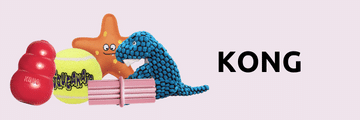
It might seem fun to wrestle with your puppy or let them chase your fingers, but this sends mixed signals. Hands are for petting, not play. Instead, use toys like those listed below to keep boundaries clear while still letting your puppy have fun.
4. Use Time-Outs When Needed
If your puppy is overstimulated or keeps nipping:
This isn’t punishment. It’s a chance for your puppy to calm down. It teaches them that nipping ends fun, but gentle behaviour brings it back.
5. Ensure Enough Rest
A tired puppy is often a nippy puppy. Most puppies need 18–20 hours of sleep per day. Proper rest reduces overstimulation and keeps nipping in check. So, make sure they have:

Even well-meaning owners can make mistakes. Avoid these common errors:
Consistency, patience, and positive reinforcement are far more effective.
With consistent training:
Teething-related nipping typically fades once adult teeth come in, provided your puppy has learned proper bite control.
Sometimes, nipping can signal bigger behavioural issues. Early intervention prevents long-term problems and ensures both you and your puppy feel safe. Consider consulting a professional if:

Puppy nipping can be frustrating, but it’s normal. Teaching bite inhibition early is not just about keeping your hands safe. It’s about helping your puppy grow into a gentle, well-mannered adult dog.
With patience, consistency, and the right tools, you’ll see your puppy learn to play nicely, chew on appropriate toys, and keep those tiny teeth in check.
Remember: every yelp, toy redirect, and gentle timeout is a lesson for life. Soon, you’ll be enjoying cuddles instead of scratches and a happier, well-behaved puppy!

Comments will be approved before showing up.

Treat smarter, not more. Learn how to choose safe, healthy dog treats, how much to give, and how to reward...

Meaningful, pet-safe ways to celebrate Chinese New Year with your dog - from festive attire, grooming to safe treats and...

Protect your dog’s smile! From professional dental cleanings in Singapore to simple home care tips, learn how to keep your...