MORE TO SHIP FREE 🚚
NICE. SHIPPING IS FREE 🎉
MORE TO REDEEM GIFT 🎁
YAY. REDEEM A FREE GIFT 🥳
YOUR CART IS EMPTY. SHOP NOW.
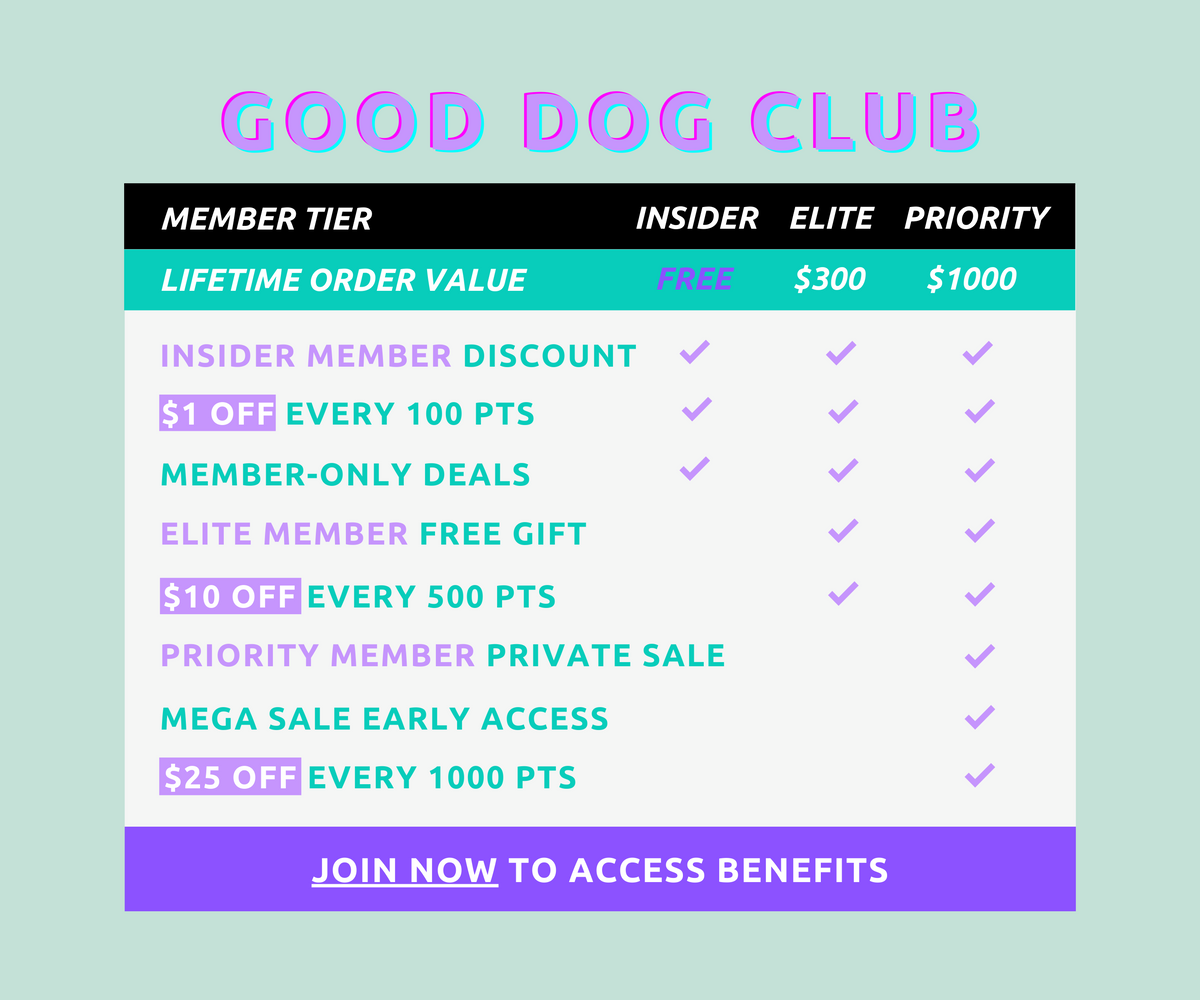


✌️ Get 1ST $10 OFF >$99
One-time use per household for orders above $99. Use code: 10FORGOOD during checkout. View T&C
🎉 REDEEM FREE GIFT >$120
One-time use per month for orders above $120. Redeem during checkout. View T&C
💵 REDEEM UP TO $25
Earn points to redeem $1, $5, $10 & $25 vouchers. Redeem Now
✨ EXPERIENCE OUR BRANDS





Dry dog kibble is a convenient and widely used form of dog food, but it’s not without potential risks. While most commercial kibble is designed to meet nutritional requirements, improper handling, storage, and manufacturing issues can introduce contaminants that may affect your dog’s health. Taking proactive, preventive measures can help ensure your dog stays healthy while enjoying their meals.

Storage mites are tiny arthropods that can infest dry dog food, especially when kibble is stored in warm, humid conditions. They feed on grains and proteins in the kibble, and while they are generally harmless in small numbers, large infestations can cause problems. Dogs may develop allergic reactions to the mites, resulting in itchy skin, scratching, hair loss, or gastrointestinal upset.
Mites are not visible to the naked eye, so infestations often go unnoticed. Preventing storage mites starts with proper storage: keeping kibble in airtight containers, in a cool, dry place, and using older batches first can reduce the risk of contamination.
Bacteria such as Salmonella and E. coli can occasionally be present in dry dog food too. While dogs are more resistant to some bacteria than humans, infections can still occur, particularly in puppies, senior dogs, or those with weakened immune systems. Symptoms may include vomiting, diarrhoea, lethargy, or fever.
Bacterial contamination can occur at multiple stages, including during manufacturing, packaging, or storage. Even unopened bags may contain harmful bacteria if they were exposed during processing. Washing hands with soap and water after handling kibble, and disinfecting your pup’s food bowls regularly with a pet-safe disinfectant/cleaner like this F10 Super Concentrate XD Disinfectant/Cleanser (with Detergent) may reduce the risk of bacterial infection too.
When it comes to your pup's feeding bowl, stainless steel bowls can have an advantage over plastic bowls. Stainless steel bowls are non-porous, so they don’t absorb food residues, oils, or moisture like plastic bowls can. Check your dog’s bowls regularly and replace any that are scratched, especially plastic ones, as these scratches can harbor bacteria and mold even after washing.
Food can easily end up in your dog’s water bowl too, which can lead to bacteria growth and stale water. To keep your dog hydrated and healthy, wash water bowls regularly, or consider using a filter water dispenser/fountain to provide fresh, clean water throughout the day.
Fats are an important part of a dog’s diet, providing energy and supporting skin, coat, and brain health. However, fats in kibble can go rancid over time due to oxidation. Rancid fats not only taste unpleasant but can also produce harmful free radicals that may damage cells and contribute to inflammation.
Kibble with rancid fats often has a strong, unpleasant odour. The risk increases if the kibble is stored in heat, light, or humid conditions, or if it is kept for extended periods after opening. Checking expiration dates, storing kibble properly, and buying in smaller quantities can help prevent dogs from consuming rancid fats.

Mycotoxins are toxic compounds produced by moulds that can grow on grains and other plant ingredients used in dog food. Common mycotoxins include aflatoxins, ochratoxins, and fumonisins, which can cause liver damage, immunosuppression, and gastrointestinal upset in dogs.
Molds can develop during the growth of raw ingredients, during storage, or if the kibble becomes damp. Manufacturers often test for mycotoxins, but contamination can still occur, especially in improperly stored products. Dogs exposed to high levels over time may experience chronic health issues, making awareness and prevention essential.
Improperly stored proteins in kibble can develop biogenic compounds, such as histamine or tyramine, which are formed when bacteria break down amino acids. In sensitive dogs, these compounds may cause digestive upset, vomiting, or allergic reactions.
These compounds often arise from moisture exposure, heat, or extended storage. Keeping kibble dry, cool, and properly sealed reduces the risk of biogenic contamination.
Some dry foods contain chemical preservatives, artificial colours, or flavour enhancers to extend shelf life or improve appearance. While generally safe in small amounts, some dogs may be sensitive to these additives, leading to digestive disturbances or skin reactions.
Opting for kibble with natural preservatives, fewer artificial ingredients, or limited additives can minimize these risks while still providing balanced nutrition.
Though rare in high-quality brands, kibble can occasionally be contaminated by rodent droppings, insect parts, or other foreign matter if storage or production conditions are suboptimal. Such contaminants can carry pathogens or trigger allergic reactions in dogs. Proper storage, reputable brands, and inspection of kibble before feeding are key preventive steps.
It’s important to discard any unfinished food and clean your dog’s bowls regularly. If you need to leave the kibble out for a bit longer, this Zee.Dog Zee.Mat Anti-Slip Anti-Spill Cat & Dog Mat can be helpful in preventing ants infestation. This mat has a groove that can be filled with water to prevent insects from reaching your dog’s bowls. Even then, it is recommended to discard leftover kibble after 2 hours. Never let it sit overnight.

Proper storage is the most effective way to reduce the risk of contaminants in dry dog food. Here are some key tips:
Storage mites, bacteria, rancid fats, and mycotoxins are all potential hazards that can affect your dog’s health if not managed carefully. Practice safe storage methods using airtight containers, keeping kibble in cool, dry conditions, and rotating stock, you can significantly reduce these risks.
Your dog’s health is closely tied to the quality of their food, and small changes in storage and selection can make a big difference. After all, a safe and well-fed dog is a happy dog.

Comments will be approved before showing up.

Caring for a senior dog? Help your senior dog thrive with simple tips on diet, joints, mental stimulation, and overall...

Learn which human foods are toxic to dogs, why they’re dangerous, and the safe alternatives every pet parent should know.

Stop puppy nipping early! Learn simple, friendly tips to teach bite inhibition and raise a gentle, well-behaved dog.